

Investment Memo
Multi Specialists. One Salary
Why we backed FullStack Genetics, the company using CRISPR to engineer conjoined workers with complementary specialties so lean teams get two hires in one.

A startup can need two people without having permission to hire two people. This distinction occupies a surprising amount of a founder’s time. The product needs a designer. The platform needs an engineer. The board has approved one additional employee. Traditionally, the founder combines the responsibilities, publishes the listing, and hopes someone unusually versatile is between jobs. We believe this process deserves a more dependable solution.
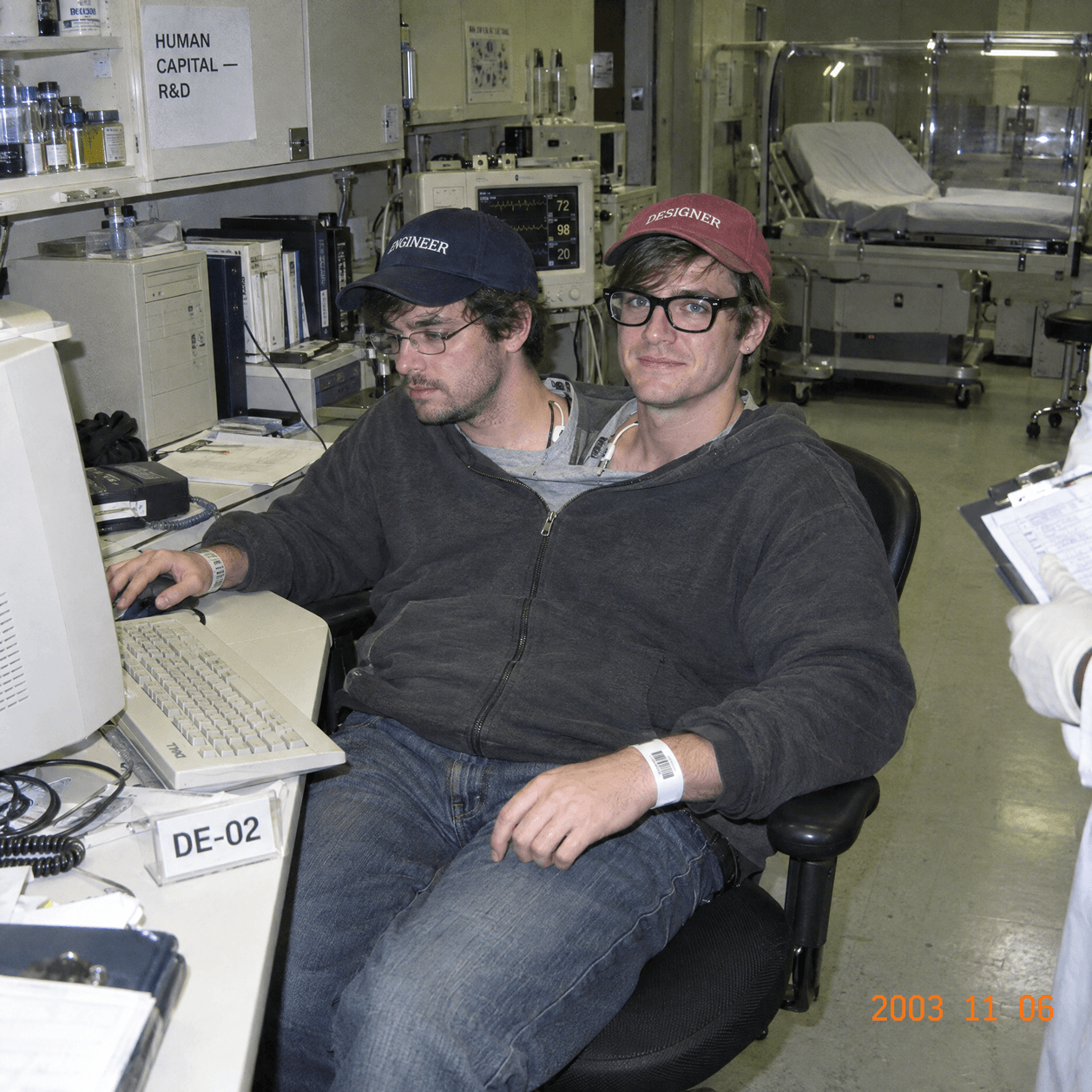
FullStack Genetics is building one. The company uses CRISPR to engineer conjoined workers with complementary professional specialties, giving lean teams access to multiple capabilities through a single hire. Its initial engineer-designer offering addresses a problem founders already understand. They need someone who can decide how the product should work and then make it work. FullStack supplies both specialists, together.
What attracted us was how little customer education the concept required. In early conversations, founders moved quickly past the scientific premise and began asking familiar hiring questions. How much experience did each specialist have? Could they work in person? Were they comfortable with an early-stage environment? One prospect asked whether the designer could also take on marketing. We were encouraged to see expansion demand emerge before the first placement.
The economics extend beyond the salary. Both specialists hear the same customer feedback, attend the same planning session, and arrive at the same understanding of what the founder promised on Friday. A decision can move from design to implementation without someone writing a summary for a colleague who missed the meeting. We expect these small efficiencies to matter considerably over the lifetime of a product.
During diligence, the team showed us how a placement would appear in a customer’s staffing plan. The founder had added separate lines for design and engineering, then spent several minutes explaining why both were essential. FullStack replaced them with a single line that fit the approved budget. The founder stopped sharing his screen and asked about availability. We have rarely seen a technical demonstration resolve so quickly into a purchasing conversation.
Of course, the company will need to prove that its placements work over time. Complementary skills must be supported by compatible working habits. Both specialists need room to develop. FullStack’s founders understand that getting through the hiring process is only the beginning of the relationship. Their customers are expecting an employee who can grow with the business, preferably without reopening the compensation discussion.
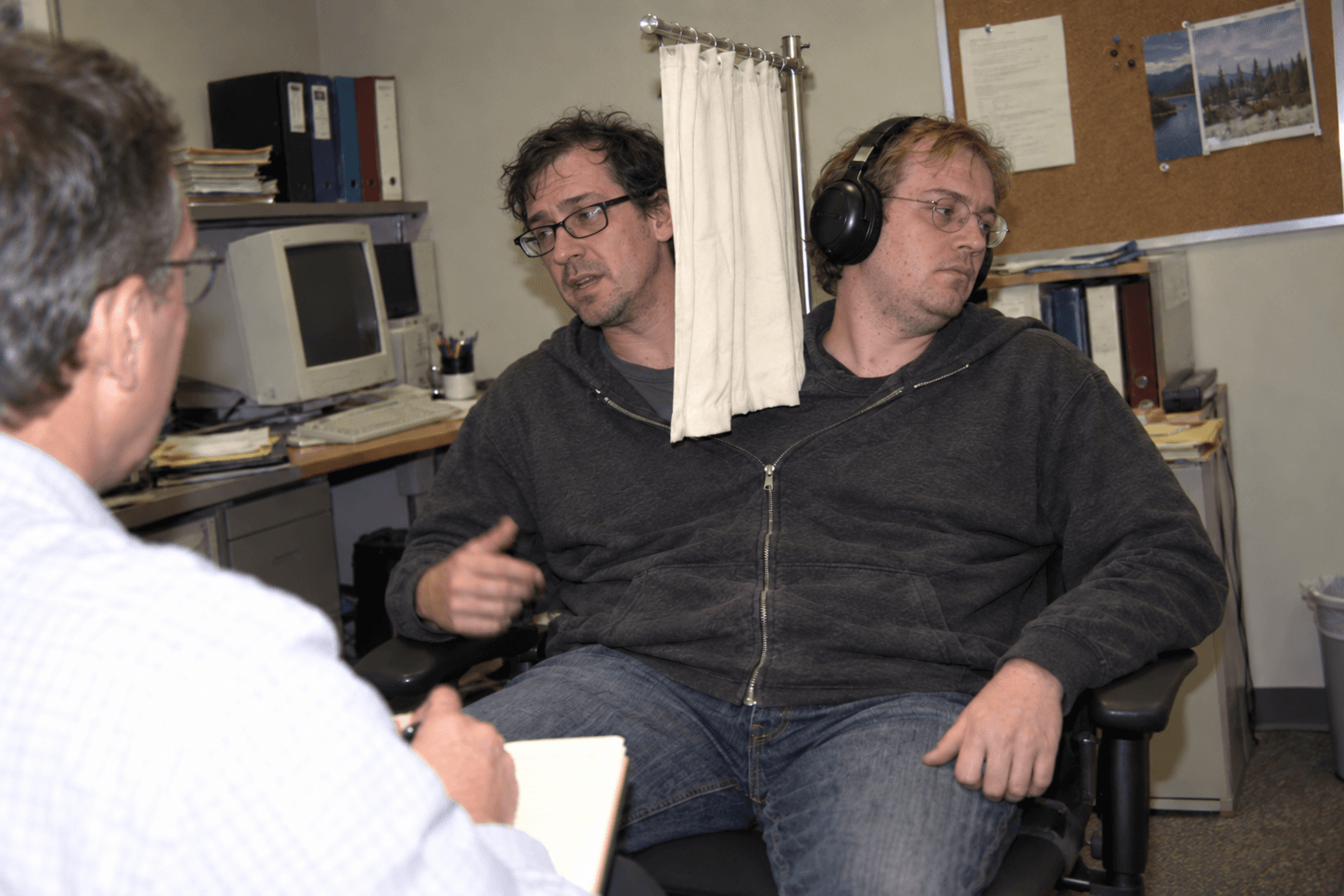
We’re pleased to back a company built around a clear and persistent customer need. Founders want more capability from the people they hire. FullStack Genetics is making that request increasingly literal. Since our investment, several portfolio companies have asked whether a third specialty might eventually be available. We have encouraged the team to remain focused. Product management can wait until the next release.